
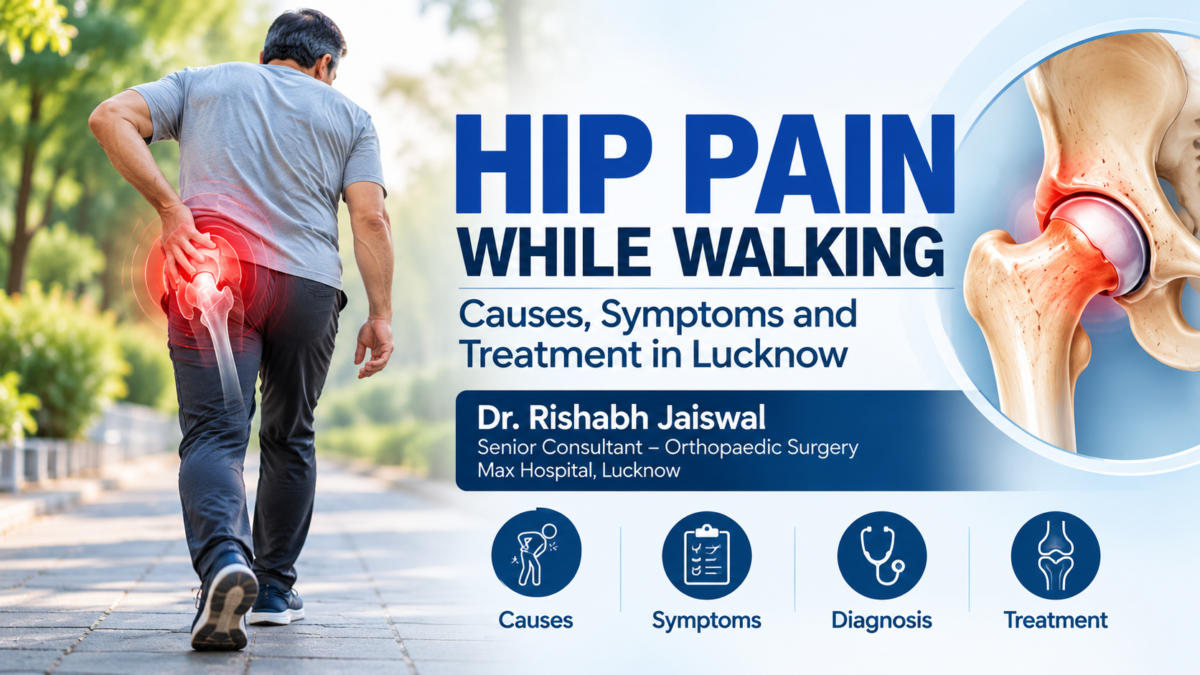
Introduction: That Clicking Sound in Your Knee
You stand up from a chair and hear a click from your knee. A few days later, you notice the sound again while climbing stairs. Then walking starts to feel uncomfortable, or the knee feels stiff after sitting for a long time. It is natural to wonder whether the joint is getting damaged.
Knee clicking or cracking is common and does not always mean something is wrong. However, when sounds occur alongside pain, swelling, stiffness, locking, or difficulty walking, it is worth getting the knee assessed.
The important question is not simply whether the knee makes a sound, but whether that sound comes with other symptoms. Dr. Rishabh Jaiswal, Senior Consultant in Orthopaedic Surgery at Max Hospital, Lucknow, treats a range of bone, joint, sports injury, and joint replacement concerns.
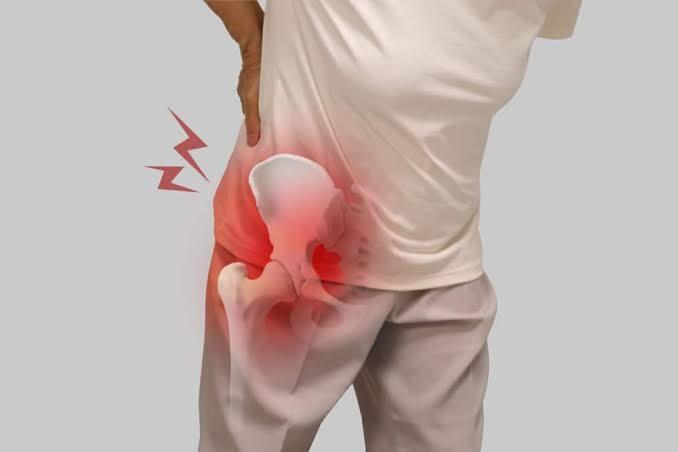
Why Do Knees Make Clicking or Cracking Sounds?
1 Painless joint noises
Some knee sounds occur during ordinary movement and are not accompanied by pain or swelling. A sound alone is not enough to diagnose arthritis or cartilage damage.
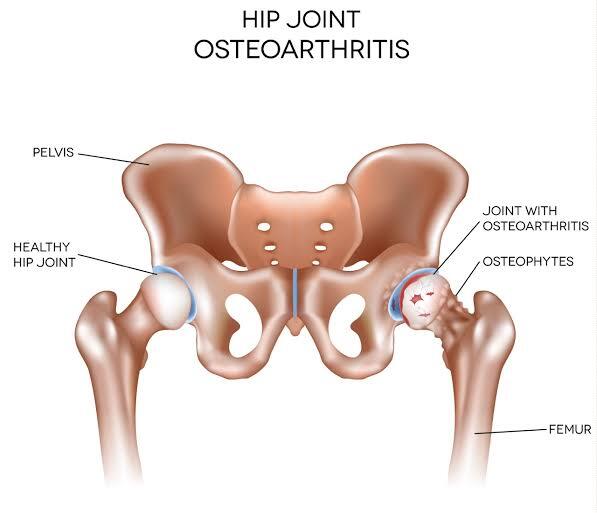
2 Changes related to osteoarthritis
Osteoarthritis can affect the cartilage and other structures in the joint. Some people experience creaking or grinding sensations along with pain, stiffness, and reduced movement, especially during activity.
3 Meniscus injury
The meniscus is a piece of cartilage that helps cushion the knee. A tear may cause pain, swelling, catching, or locking, particularly after a twisting injury. Not every meniscus tear requires surgery; management depends on the tear, symptoms, age, activity, and examination findings
4 Patellofemoral pain
Pain around or behind the kneecap may occur during squatting, stair climbing, running, or prolonged sitting. It can sometimes be accompanied by clicking or grinding sensations.
5 Ligament or other injury
A sudden twist, awkward landing, or sports injury may damage knee structures. A pop at the time of injury, rapid swelling, instability, or difficulty bearing weight warrants prompt assessment.
When Is Knee Clicking a Warning Sign?
Consider arranging an orthopaedic assessment if clicking repeatedly occurs with pain, swelling, stiffness, reduced range of motion, or difficulty walking. A knee that catches or locks, or feels as though it may give way, also deserves evaluation
How Is the Cause Diagnosed?
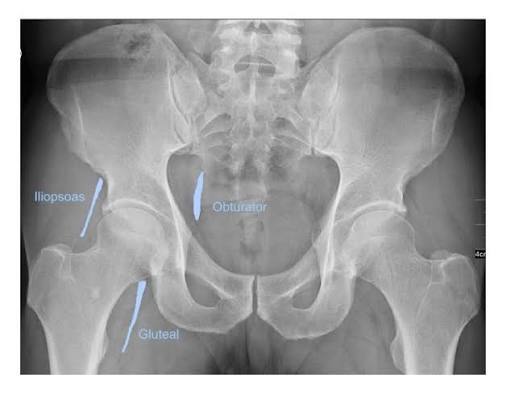
A doctor may ask when the sound began, whether there was an injury, which movements trigger it, and whether pain or swelling accompanies it. The physical examination may assess tenderness, range of motion, stability, kneecap movement, and walking. An X-ray may be useful when osteoarthritis, fracture, or another bone-related issue is suspected. MRI may be considered when a meniscus, ligament, or other soft-tissue injury is suspected and the result would affect management. Imaging is selected according to the symptoms and examination; not every clicking knee needs an MRI
Treatment Options: What May Help?
Treatment depends on the underlying cause. If the sound is painless and there are no other concerning symptoms, treatment may not be needed. If pain or functional difficulty is present, a clinician may recommend activity modification, physiotherapy, muscle strengthening, gradual return to activity, suitable pain relief, or other measures tailored to the diagnosis.
For some people with osteoarthritis, low-impact activity, strength exercises, and weight management where appropriate can help manage symptoms. Meniscus and ligament injuries need individual assessment; some can be managed without surgery, while selected injuries may benefit from a procedure.
Surgery should not be decided on the basis of a clicking sound alone. The decision depends on the diagnosis, symptom severity, functional limitations, imaging when appropriate, and a discussion of the potential benefits and risks.
What Can You Do at Home?
Temporarily reduce activities that clearly aggravate pain, but avoid prolonged inactivity unless advised. Return to exercise gradually and choose movements that do not cause significant pain. Do not repeatedly test the knee by forcing deep squats or twisting movements if they trigger symptoms.
Use medication only as advised by a qualified clinician, especially if you have other medical conditions or take other medicines. If symptoms persist, worsen, or interfere with walking, arrange a medical evaluation instead of relying on home remedies alone.
Why Seek Orthopaedic Advice in Lucknow?
Knee noises can have different explanations, and symptoms provide important clues. An orthopaedic evaluation can help distinguish harmless clicking from problems that need treatment. Dr. Rishabh Jaiswal is a Senior Consultant in Orthopaedic Surgery at Max Hospital, Lucknow, with clinical interests in arthroscopy, sports injuries, and joint replacement.
If you have knee clicking along with pain, swelling, locking, or difficulty walking, consult a qualified clinician to discuss the appropriate assessment and treatment options.
Frequently Asked Questions
Q: Are knee clicking sounds always a sign of arthritis?
A: No. Painless clicking can occur without a serious problem. Pain, swelling, stiffness, or functional changes need assessment.
Q: Should I get an MRI for knee clicking?
A: Not always. A clinician decides whether imaging is needed based on your history and examination.
Q: Can a meniscus tear cause knee locking?
A: Some meniscus tears can cause catching or locking, but other conditions may also produce similar symptoms. An assessment is needed.
Q: Can exercise make knee clicking worse?
A: Some movements may aggravate symptoms depending on the cause. Modify painful activities and seek guidance on suitable exercises.
Q: When should I see an orthopaedic doctor?
A: Seek advice if clicking occurs with pain, swelling, locking, instability, or difficulty walking. Urgent care is appropriate after a significant injury or if you cannot bear weight.
Conclusion
Knee clicking does not automatically mean that the joint is damaged. But when the sound occurs with pain, swelling, stiffness, locking, or difficulty walking, it should not be ignored. Understanding the cause is the first step toward choosing appropriate care
Contact Details
Dr. Rishabh K Jaiswal | MBBS, MS (Ortho), DNB (Ortho), FJJR
Senior Consultant & Unit Head – Orthopedic Surgery & Joint Replacement Specialist
Max Hospital, Viraj Khand, Gomti Nagar, Lucknow, Uttar Pradesh
Phone: +91 9920624929
Educational information only; this article does not replace a medical consultation.