Introduction
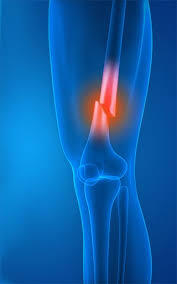
A fracture is a break or crack in a bone that can occur due to a fall, road traffic accident, sports injury or direct impact. Fractures can affect different parts of the body, including the arms, legs, wrists, ankles, hips and shoulders. Depending on the severity of the injury, a fracture may require a cast, splint, medication, rehabilitation or surgical treatment.
Proper fracture management is essential to support bone healing, restore movement and reduce the risk of complications. Early diagnosis and appropriate treatment can help patients return to their daily activities safely.
People searching for fracture treatment in Lucknow often want to understand the different types of fractures, available treatment options, the need for surgery and the expected recovery period.
In this blog, we explain the causes, symptoms, diagnosis, treatment methods and rehabilitation process involved in fracture management.
What Is Fracture Management?
Fracture management refers to the medical assessment and treatment of a broken bone. The main objectives are to restore the bone’s alignment when necessary, maintain stability, support healing, manage pain and help the patient regain function.
The appropriate treatment depends on several factors, including:
- The location and type of fracture.
- The severity of the break.
- Whether the bone has moved out of its normal position.
- Whether the fracture is open or closed.
- The patient’s age and general health.
- Damage to nearby muscles, nerves, blood vessels or joints.
Some fractures can heal with immobilisation using a cast or splint, while others require surgical procedures to stabilise the bone.
An orthopaedic specialist evaluates these factors before recommending an appropriate treatment plan.
What Are the Different Types of Fractures?
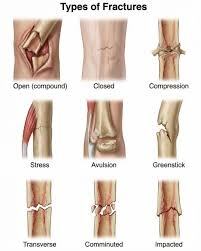
Fractures are classified according to the pattern of the break, the extent of bone damage and whether the skin is affected.
1. Closed Fracture
A closed fracture occurs when the bone breaks without creating an open wound through the skin. Although the skin remains intact, surrounding tissues may still be damaged.
2. Open Fracture
An open fracture occurs when a wound communicates with the fracture, sometimes with the bone visible through the skin. This type of injury carries a significant risk of infection and requires emergency medical treatment.
Do not attempt to push exposed bone back into the wound. Cover the wound with a clean dressing and seek emergency care.
3. Displaced Fracture
A displaced fracture occurs when the broken bone fragments have moved out of their normal alignment. Depending on the injury, treatment may involve repositioning the bone or surgery.
4. Non-Displaced Fracture
In a non-displaced fracture, the bone has broken but the fragments remain in relatively normal alignment. Many such fractures can be treated with appropriate immobilisation, depending on their location and stability.
5. Comminuted Fracture
A comminuted fracture occurs when a bone breaks into three or more pieces. It can result from high-impact injuries and may require specialised treatment.
6. Stress Fracture
A stress fracture is a small crack in a bone caused by repetitive loading or overuse. It commonly affects weight-bearing bones, particularly in people who increase their physical activity suddenly.
7. Greenstick Fracture
A greenstick fracture is an incomplete fracture in which the bone bends and cracks rather than breaking completely. It is more common in children because their bones are more flexible.
The type of fracture plays an important role in determining the treatment method and expected recovery.
What Are the Common Causes of Bone Fractures?
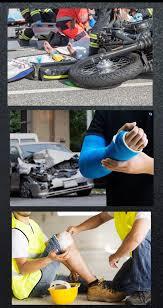
Bone fractures can occur because of sudden trauma or repeated stress on the bone.
Common causes include:
- Falls: Slipping, falling from a height or falling on an outstretched hand can cause fractures.
- Road Traffic Accidents: High-impact collisions may result in fractures involving the arms, legs, pelvis or other bones.
- Sports Injuries: Contact sports, twisting movements and direct impacts can lead to broken bones.
- Workplace Accidents: Heavy objects, machinery-related incidents and falls at work can cause serious fractures.
- Repetitive Stress: Repeated loading during running or other activities may cause stress fractures.
- Osteoporosis: Reduced bone strength can increase the risk of fractures, particularly in older adults.
Identifying the cause helps the doctor assess the severity of the injury and determine whether additional investigations are needed.
What Are the Symptoms of a Fracture?
Fracture symptoms vary depending on the bone involved and the severity of the injury.
Common signs include:
1. Pain
A fracture often causes pain that worsens when the affected area is moved or placed under pressure.
2. Swelling
Swelling may develop around the injured area shortly after the injury.
3. Bruising
Blood vessels around the injured bone may be damaged, leading to bruising or discolouration.
4. Deformity
The affected limb may look unusually shaped or appear out of alignment, particularly in displaced fractures.
5. Difficulty Moving or Bearing Weight
A fracture in the leg, ankle or foot may make walking difficult. An arm fracture may interfere with lifting, gripping or other daily activities.
6. Tenderness
The area around the fracture may be painful when touched.
Not every fracture causes obvious deformity or severe pain. If a fracture is suspected following an injury, medical evaluation is important even when symptoms appear mild.
When Should You Seek Emergency Fracture Treatment?
Certain fractures require immediate medical attention to prevent serious complications.
Seek emergency care if you notice:
- A bone protruding through the skin or a deep wound near a suspected fracture.
- Severe pain or an obvious deformity.
- Uncontrolled bleeding.
- Numbness, tingling or loss of movement.
- A hand or foot that becomes cold, pale or blue.
- A suspected fracture following a major accident.
- Suspected injury to the hip, pelvis, spine or other major bones.
While waiting for medical help, keep the injured area as still as possible. Do not attempt to straighten the bone or push it back into place.
If a serious injury is suspected, avoid unnecessary movement and follow emergency medical guidance.
How Is a Fracture Diagnosed?
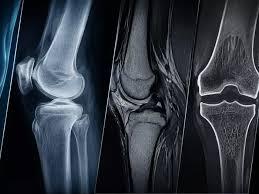
Accurate diagnosis helps determine the appropriate treatment and reduces the risk of complications.
1. Medical History and Physical Examination
The orthopaedic doctor will ask how the injury occurred, where the pain is located and whether the patient has any existing medical conditions.
The examination may include checking swelling, tenderness, alignment, skin condition, circulation and nerve function.
2. X-ray
An X-ray is commonly the first imaging test used to identify a fracture, assess bone alignment and determine the general pattern of the break.
3. CT Scan
A CT scan may be recommended for complex fractures, particularly those involving joints or areas where detailed assessment of bone fragments is necessary.
4. MRI Scan
An MRI may be useful when a stress fracture or an associated soft-tissue injury is suspected but is not clearly visible on an X-ray.
5. Additional Investigations
Some patients may require blood tests or other investigations depending on the type of injury, planned surgery and general health.
Not every patient requires all these tests. The doctor recommends investigations according to the clinical findings.
What Are the Different Fracture Treatment Options?
Fracture treatment depends on the bone involved, fracture stability, displacement, associated injuries and the patient’s health.
1. Cast or Splint Immobilisation
A cast or splint keeps the injured bone stable while it heals.
A cast may be recommended for suitable fractures that can remain in an acceptable position without surgery. A splint may be used initially when swelling is expected or when temporary support is needed.
Patients should follow instructions regarding cast care, movement and follow-up appointments.
2. Closed Reduction
Closed reduction involves repositioning the broken bone without making a surgical incision. Pain relief or sedation may be required.
After reduction, a cast or splint may be used to maintain alignment. Follow-up imaging may be necessary to ensure that the bone remains in the correct position.
3. Fracture Surgery
Surgery may be recommended when a fracture is unstable, significantly displaced, open or difficult to manage with non-surgical treatment.
The type of operation depends on the fracture pattern and the bone involved.
4. Open Reduction and Internal Fixation (ORIF)
In open reduction and internal fixation, the surgeon exposes the fracture, restores the bone’s alignment and stabilises it using implants such as plates, screws or other fixation devices.
ORIF is commonly used for selected fractures where accurate alignment and stable fixation are required.
5. Intramedullary Nailing
Intramedullary nailing involves inserting a metal rod into the central canal of a long bone, such as the femur or tibia.
The rod helps stabilise suitable fractures and supports bone healing.
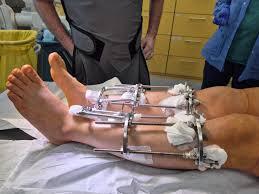
6. External Fixation
External fixation uses pins or wires connected to a frame outside the body to stabilise the fracture.
It may be used in selected complex injuries, open fractures or situations where temporary stabilisation is required.
7. Treatment for Open Fractures
Open fractures usually require urgent assessment, wound management, antibiotics and evaluation of circulation and nerve function. Surgery may be required to clean the wound and stabilise the bone.
The exact approach depends on the severity of the injury and the degree of contamination or tissue damage. Not every fracture requires surgery. The orthopaedic specialist determines the most appropriate treatment based on the patient’s condition
How Long Does a Fracture Take to Heal?
Fracture recovery time varies according to the type of fracture, the bone involved, the patient’s age, overall health and the treatment received.
As a general guide:
- Minor fractures: Some may heal sufficiently over approximately 4–6 weeks.
- Many common fractures: Healing may take around 6–12 weeks.
- Complex or severe fractures: Healing may take several months or longer.
- Fractures requiring surgery: Recovery depends on bone healing, soft-tissue damage and rehabilitation progress.
These timeframes are approximate and do not apply to every fracture. Some bones take longer to heal, and radiographic healing may continue after symptoms have improved.
Patients should attend follow-up appointments so the doctor can assess healing before recommending increased activity or weight-bearing.
What Is the Role of Physiotherapy in Fracture Recovery?

Physiotherapy can help patients regain movement, muscle strength and function after a fracture.
The rehabilitation plan depends on the injured bone, the stability of the fracture and any surgical procedure performed.
1. Maintaining Joint Movement
When medically appropriate, gentle exercises help reduce stiffness in joints that are not immobilised.
2. Improving Muscle Strength
Muscles can become weaker during immobilisation. Gradual strengthening exercises help rebuild strength as healing progresses.
3. Restoring Walking and Balance
After certain leg fractures, rehabilitation may include walking practice, balance training and progressive weight-bearing when approved by the treating doctor.
4. Returning to Daily Activities
Physiotherapy helps patients gradually resume activities such as dressing, climbing stairs, lifting objects and walking.
Exercise should not place excessive stress on an unhealed fracture. Follow the treating doctor’s and physiotherapist’s instructions.
What Factors Can Affect Fracture Healing?
Several factors can influence how quickly a fracture heals.
- Age: Healing patterns can differ between children and older adults.
- Fracture severity: Complex fractures and significant displacement may require longer treatment.
- Blood supply: Adequate circulation is important for bone healing.
- Nutrition: Sufficient protein, calcium and vitamin D support general bone health.
- Smoking: Smoking can interfere with bone healing and increase complications.
- Medical conditions: Diabetes, osteoporosis and certain other conditions may affect recovery.
- Treatment adherence: Following immobilisation, weight-bearing and rehabilitation instructions helps protect the healing bone.
Patients should discuss nutrition, supplements and medication changes with their healthcare professional rather than starting treatment independently
What Are the Possible Complications of Fractures?
Although many fractures heal well with appropriate care, complications can occur.
Possible complications include:
- Delayed Union: The fracture takes longer than expected to heal.
- Nonunion: The bone fails to heal adequately.
- Malunion: The bone heals in an unsatisfactory position.
- Infection: This is a particular concern with open fractures and some surgical procedures.
- Joint Stiffness: Immobilisation or joint involvement can limit movement.
- Nerve or Blood Vessel Injury: Some fractures can damage nearby structures.
- Blood Clots: Certain major injuries and periods of reduced mobility increase the risk.
- Compartment Syndrome: Dangerous pressure can build within a muscle compartment and requires emergency treatment.
Severe or increasing pain, worsening swelling, numbness, colour changes or a cold limb should be assessed urgently.
How Can You Reduce the Risk of Fractures?
Not all fractures can be prevented, but some measures may reduce the risk of injury.
- Use appropriate protective equipment during sports and high-risk activities.
- Wear suitable footwear and keep walking areas free of trip hazards.
- Maintain regular physical activity appropriate for your health and abilities.
- Include adequate protein and calcium in a balanced diet.
- Discuss bone health and osteoporosis assessment with your doctor when appropriate.
- Follow workplace safety procedures.
- Use prescribed walking aids if balance or mobility is impaired.
For people at increased risk of fractures, a healthcare professional may recommend further assessment and measures to improve bone health.
Why Consult an Orthopaedic Specialist for Fracture Treatment in Lucknow?

Fractures differ in their location, severity and effect on surrounding tissues. A minor fracture may require only immobilisation, while a complex or displaced fracture may require surgical stabilisation.
An orthopaedic assessment helps determine the correct diagnosis, evaluate bone alignment and identify associated injuries. It also helps establish a treatment and follow-up plan suited to the patient’s needs.
Patients looking for fracture treatment in Lucknow can seek an orthopaedic consultation to discuss their injury, diagnostic findings and available treatment options.
Depending on the fracture, treatment may involve a cast, splint, reduction, surgery or rehabilitation. The appropriate option can only be determined after clinical evaluation.
For serious injuries, patients should seek emergency care without delay rather than waiting for a routine consultation.
Frequently Asked Questions (FAQs)
1. Can every fracture heal without surgery?
No. Some fractures heal with a cast or splint, while others require surgery because of displacement, instability, joint involvement or associated injuries.
2. How do I know if I have a fracture?
Pain, swelling, bruising, tenderness and difficulty moving the affected area may indicate a fracture. An X-ray or other imaging may be required to confirm the diagnosis.
3. How long does a broken bone take to heal?
Many common fractures take approximately 6–12 weeks to heal, but recovery varies considerably. Complex fractures may take several months or longer.
4. Is fracture surgery always necessary for displaced bones?
Not always. Some displaced fractures can be treated with closed reduction and immobilisation. The decision depends on the fracture’s location, alignment, stability and other clinical factors.
5. When should physiotherapy begin after a fracture?
The timing depends on the injury and treatment. Some exercises may begin early, while movement or weight-bearing of the injured area may need to be delayed until the doctor considers it safe.
6. Can a fracture heal incorrectly?
Yes. A fracture can sometimes heal in a poor position, heal slowly or fail to unite. Follow-up appointments help the doctor monitor healing and identify problems.
7. What should I do immediately after a suspected fracture?
Keep the injured area still, avoid putting weight on it and seek medical assessment. Do not attempt to straighten the bone. If there is an open wound, cover it with a clean dressing without pushing exposed bone back inside.
8. Where can I seek fracture treatment in Lucknow?
Patients can consult an orthopaedic specialist for assessment and treatment planning. Severe injuries, open fractures and signs of circulation or nerve problems require emergency medical care.
Conclusion
Fracture management involves accurate diagnosis, appropriate stabilisation, monitoring of bone healing and rehabilitation when required. Depending on the injury, treatment may include a cast, splint, closed reduction or surgery using plates, screws, nails or external fixation.
Early medical assessment is important to identify associated injuries, select the right treatment and reduce the risk of complications. Following medical advice and attending follow-up appointments can help support recovery and the safe return to daily activities.
If you or a family member has sustained a suspected fracture, seek prompt medical evaluation. Patients looking for fracture treatment in Lucknow can consult an orthopaedic specialist to understand their condition and discuss suitable treatment options.Medical Disclaimer: This article is for general educational purposes only and does not replace professional medical advice, diagnosis or treatment. Fracture treatment and recovery vary between patients and should be guided by a qualified healthcare professional
Contact Details
Dr. Rishabh K Jaiswal
MBBS, MS (Ortho), DNB (Ortho), FJJR
Senior Consultant & Unit Head – Orthopedic Surgery & Joint Replacement Specialist
Max Hospital, Viraj Khand, Gomti Nagar, Lucknow, Uttar Pradesh
Phone: +91 9920624929