Introduction
Shoulder dislocation is a painful orthopaedic condition that occurs when the upper arm bone moves out of its normal position in the shoulder socket. It can happen following a fall, sports injury, road accident or sudden forceful movement of the arm. A dislocated shoulder can cause severe pain, swelling, visible changes in the shoulder’s shape and difficulty moving the arm.
If you are experiencing shoulder pain or suspect a dislocation, timely medical assessment is important. Early diagnosis helps identify the extent of the injury and determine the appropriate treatment.
People searching for shoulder dislocation treatment in Lucknow may have questions about the causes, symptoms, diagnosis, surgery and recovery process. Understanding these aspects can help patients make informed decisions about their orthopaedic care.
At Max Hospital, Viraj Khand, Gomti Nagar, Lucknow, patients can seek an orthopaedic consultation to discuss their shoulder symptoms and appropriate treatment options with a qualified specialist.
In this comprehensive guide, Dr. Rishabh K Jaiswal explains the important aspects of shoulder dislocation, from recognising the symptoms to understanding treatment and rehabilitation.
What Is Shoulder Dislocation?
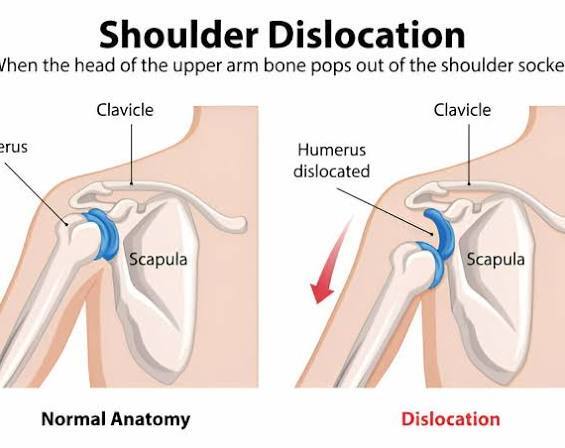
The shoulder is a ball-and-socket joint that allows the arm to move in multiple directions. The rounded head of the upper arm bone, known as the humerus, fits into a shallow socket in the shoulder blade called the glenoid.
The joint is stabilised by ligaments, muscles, tendons and a rim of cartilage called the labrum. These structures help maintain stability while allowing a wide range of movement.
When the humeral head moves completely out of the socket, the condition is called a shoulder dislocation. If the joint moves only partially out of position, it is called a shoulder subluxation.
Shoulder dislocation can affect people of different ages, including athletes, physically active individuals and older adults following a fall. The severity of the injury depends on the direction of the dislocation and whether the surrounding bones or soft tissues are damaged.
If you experience a suspected dislocation, seek prompt medical attention rather than attempting to reposition the joint yourself.
Types of Shoulder Dislocation
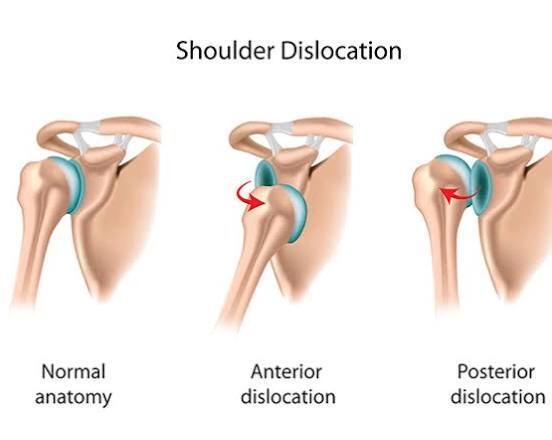
Shoulder dislocation is classified according to the direction in which the upper arm bone moves.
1. Anterior Shoulder Dislocation
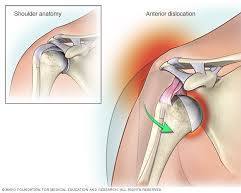
Anterior shoulder dislocation is the most common type. In this condition, the humeral head moves forward out of the shoulder socket.
It may occur when a person falls on an outstretched hand or experiences a forceful movement with the arm raised and rotated outward. Sports injuries and road accidents can also cause anterior shoulder dislocation.
2. Posterior Shoulder Dislocation
Posterior shoulder dislocation occurs when the humeral head moves backward. It is less common and may be associated with seizures, electrical injuries or significant trauma.
This type can sometimes be difficult to recognise without appropriate imaging. Prompt assessment is important to prevent delayed diagnosis.
3. Inferior Shoulder Dislocation
Inferior shoulder dislocation is uncommon and occurs when the upper arm bone moves downward relative to the socket.
It can result from substantial force applied to the arm and may be associated with injuries to surrounding nerves, blood vessels or other structures.
The type of shoulder dislocation influences the investigations and treatment recommended by the orthopaedic specialist.
What Are the Common Causes of Shoulder Dislocation?
Shoulder dislocation can occur because of trauma, sports injuries or instability of the shoulder joint.
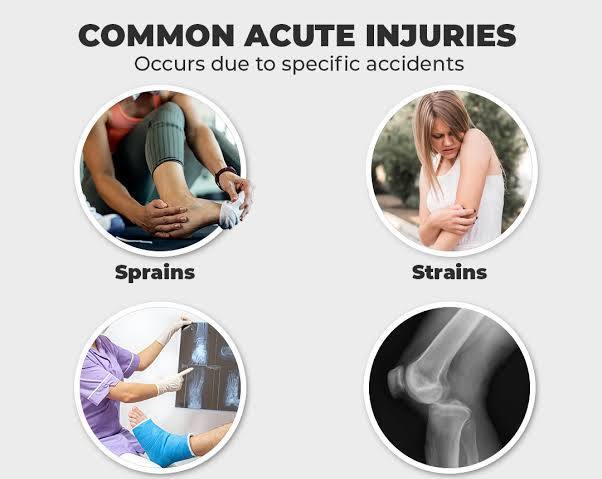
Common causes include:
- Falls: Falling on an outstretched hand or directly onto the shoulder can force the joint out of position.
- Sports injuries: Cricket, football, basketball, wrestling and other sports can involve collisions or forceful arm movements.
- Road traffic accidents: Sudden impact during an accident may cause shoulder dislocation or associated fractures.
- Sudden twisting movements: Forceful rotation or movement of the arm beyond its normal range may injure the joint.
- Previous shoulder dislocation: Damage to the joint’s stabilising structures can increase the risk of recurrent dislocation.
- Shoulder instability: Some people have joint laxity or structural abnormalities that make the shoulder more susceptible to slipping out of position.
Understanding the cause helps the doctor assess the injury and identify factors that may influence future shoulder stability.
Symptoms of Shoulder Dislocation
Recognising the symptoms of shoulder dislocation is important because the injury may require urgent medical attention.
Common symptoms include:
1. Sudden and Severe Shoulder Pain
A dislocated shoulder usually causes immediate pain. The discomfort may become worse when attempting to move the arm.
2. Visible Shoulder Deformity
The shoulder may look different from the unaffected side. The normal rounded contour may appear flattened or altered.
3. Difficulty Moving the Arm
Patients may find it difficult or impossible to raise, rotate or move the affected arm normally.
4. Swelling and Bruising
Swelling and bruising can develop around the shoulder following the injury.
5. Numbness or Tingling
Numbness, tingling or weakness in the arm or hand may indicate nerve involvement and requires urgent assessment.
6. A Feeling of Instability
Some patients describe a sensation that the shoulder has slipped out of place or may dislocate again.
If these symptoms develop after an injury, do not force the arm to move or attempt to push the joint back into position. Seek emergency medical care.
When Should You Consult an Orthopaedic Doctor in Lucknow?
A suspected shoulder dislocation should be assessed promptly by a qualified medical professional.
Seek emergency care if you experience severe shoulder pain, visible deformity or inability to move the arm following an injury. A cold, pale or blue hand, reduced circulation, new numbness or significant weakness may indicate a serious complication.
Patients who experience repeated shoulder dislocations, persistent instability or ongoing shoulder pain should also arrange an orthopaedic assessment.
If you are looking for an orthopedic doctor in Lucknow for a shoulder injury, a clinical examination and appropriate imaging can help establish the diagnosis and guide treatment.
Do not delay emergency care while trying to arrange a routine appointment.
How Is Shoulder Dislocation Diagnosed?
Diagnosis involves a medical history, physical examination and appropriate investigations.
1. Medical History and Physical Examination
The doctor will ask how the injury occurred, whether the shoulder has dislocated previously and what symptoms are present.
The examination may include checking the shoulder’s appearance, assessing safe movement where appropriate, and evaluating sensation, muscle function and blood circulation.
2. X-ray
An X-ray is commonly used to confirm shoulder dislocation and identify associated fractures. Imaging also helps determine the direction of the dislocation.
3. MRI Scan
Magnetic resonance imaging may be recommended when the doctor suspects damage to the labrum, ligaments, rotator cuff or other soft tissues.
4. CT Scan
A CT scan may be required when there is suspected bone loss, a complex fracture or another injury that needs detailed assessment.
Not every patient requires every investigation. The treating doctor will recommend tests based on the injury and clinical findings.
What Are the Treatment Options for Shoulder Dislocation?
The appropriate treatment depends on the type of dislocation, severity of the injury, associated damage, age, activity level and history of previous dislocations.
1. Shoulder Reduction
Shoulder reduction is a procedure in which a trained healthcare professional returns the displaced bone to its normal position in the socket.
Pain relief or sedation may be used depending on the patient’s condition. The doctor may recommend imaging before or after reduction to assess the injury and confirm joint alignment.
Patients should never attempt shoulder reduction themselves because incorrect manipulation can worsen the injury or damage nearby nerves and blood vessels.
2. Sling and Short-Term Support
After reduction, a sling may be recommended to support the arm and reduce discomfort.
The duration of sling use depends on the injury, age, associated tissue damage and treatment plan. Prolonged immobilisation without medical guidance may contribute to stiffness, particularly in older adults.
3. Pain Management
The doctor may recommend suitable pain-relief medication based on the patient’s medical history and other health considerations.
Patients should follow the prescribed instructions and discuss any existing medical conditions or medications before starting treatment.
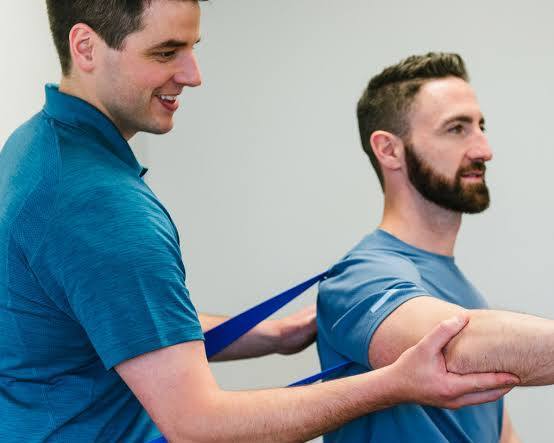
4. Physiotherapy and Rehabilitation
Physiotherapy is an important part of recovery for many patients.
A rehabilitation programme may include:
- Gentle range-of-motion exercises at the appropriate stage.
- Rotator cuff muscle strengthening.
- Exercises to improve shoulder blade control.
- Shoulder stability and coordination training.
- Gradual return to daily activities and sports.
The timing of rehabilitation depends on the injury and whether surgery was performed. Exercises should be introduced under the guidance of a qualified physiotherapist or treating doctor.
5. Shoulder Dislocation Surgery
Shoulder dislocation surgery may be considered when a patient has recurrent dislocations, persistent instability, significant damage to stabilising structures or associated bone loss.
The surgeon evaluates the injury and recommends a suitable procedure based on the patient’s condition.
Common surgical options include:
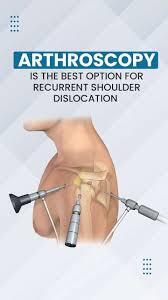
Arthroscopic Bankart Repair: This minimally invasive procedure is used to repair a damaged labrum and associated stabilising structures in selected patients with anterior shoulder instability.
Latarjet Procedure: This procedure may be considered in selected cases involving significant bone loss or recurrent instability.
Other Stabilisation Procedures: Depending on the injury, other surgical techniques may be appropriate to restore stability.
Not every shoulder dislocation requires surgery. Many first-time dislocations can be treated without an operation, while some patients may benefit from surgical stabilisation. Patients searching for shoulder dislocation surgery in Lucknow should discuss the potential benefits, risks, alternatives and expected rehabilitation requirements with an orthopaedic surgeon
How Long Does It Take to Recover from Shoulder Dislocation?
Shoulder dislocation recovery time varies according to the severity of the injury, the patient’s age, associated damage and the treatment received.
Initial Recovery
Pain and swelling may begin to improve during the first few weeks following appropriate treatment. A sling may be used for a limited period as advised by the doctor.
Rehabilitation Phase
Physiotherapy helps restore movement and gradually improve strength. The exercises are progressed according to pain, healing and joint stability.
Return to Daily Activities
Many patients gradually return to routine activities over several weeks. Heavy lifting and activities that place significant stress on the shoulder may require more time.
Recovery After Surgery
Recovery following shoulder stabilisation surgery often takes several months. The timeline depends on the surgical procedure, tissue healing and rehabilitation progress.
Return to Sports
Athletes should not return to contact sports or strenuous activity solely because the pain has improved. The shoulder should have adequate strength, movement and stability, and the treating professional should provide clearance.
Following medical advice and completing rehabilitation can help support recovery and reduce the risk of another injury.
Can Shoulder Dislocation Happen Again?
Yes. Recurrent shoulder dislocation is a condition in which the shoulder repeatedly moves out of its normal position.
The risk may be higher in younger, physically active individuals, particularly after a first traumatic dislocation. Damage to the labrum, ligaments or surrounding bone can also contribute to repeated instability.
Symptoms of recurrent shoulder instability may include:
- Repeated episodes of the shoulder slipping out of place.
- A feeling that the shoulder is unstable during movement.
- Apprehension when raising or rotating the arm.
- Pain or reduced confidence during sports and physical activity.
Treatment may include rehabilitation, activity modification or surgery in selected patients. An orthopaedic assessment helps determine the most appropriate approach.
How Can You Prevent Shoulder Dislocation?
Not every shoulder dislocation can be prevented, but certain measures may help reduce the risk of injury or recurrence.
- Warm up before sports and strenuous exercise.
- Follow appropriate techniques during physical activities.
- Strengthen the shoulder and surrounding muscles under professional guidance.
- Complete the prescribed physiotherapy programme.
- Avoid returning to contact sports before adequate recovery.
- Seek medical assessment if the shoulder repeatedly feels unstable.
- Follow your doctor’s recommendations after a previous dislocation.
Patients with recurrent instability may require further assessment to determine whether additional treatment is appropriate.
Why Seek an Orthopaedic Consultation for Shoulder Dislocation in Lucknow?
Shoulder injuries can vary considerably in severity. Some involve a straightforward dislocation, while others may include fractures, ligament damage or nerve injury.
A specialist assessment helps identify the injury, evaluate shoulder stability and determine whether non-surgical treatment or surgery should be considered.
Patients seeking shoulder dislocation treatment in Lucknow can discuss their symptoms, diagnostic findings, treatment choices and rehabilitation plan with an orthopaedic specialist.
The appropriate treatment depends on the individual’s condition. An examination is necessary before a specific treatment can be recommended.
Frequently Asked Questions About Shoulder Dislocation
1. What is the best treatment for shoulder dislocation?
Treatment depends on the type and severity of the injury. It may involve professional reduction, temporary sling support, pain management and physiotherapy. Surgery may be recommended for selected patients with recurrent instability or significant structural damage.
2. Can a dislocated shoulder heal without surgery?
Yes. Many first-time shoulder dislocations can be managed without surgery. The decision depends on the associated injuries, shoulder stability, patient age and activity requirements.
3. How long does shoulder dislocation take to heal?
Many patients resume routine activities gradually over several weeks. Full recovery, particularly for sports or after surgery, may take several months. Recovery varies between individuals.
4. Is shoulder dislocation surgery necessary for recurrent dislocation?
Not every patient with recurrent dislocation requires surgery. However, repeated episodes may indicate persistent instability. An orthopaedic surgeon can assess the joint and discuss appropriate options.
5. Can I exercise after shoulder dislocation?
Exercise is often part of rehabilitation, but the type and timing depend on the injury. Avoid strenuous shoulder movements until you have received appropriate medical advice.
6. Can shoulder dislocation cause permanent damage?
Some dislocations can damage the labrum, ligaments, cartilage, bones or nearby nerves. Early diagnosis and appropriate treatment can help identify complications and guide recovery.
7. When should I visit a shoulder specialist in Lucknow?
Seek emergency care for a suspected new dislocation, severe pain, visible deformity, numbness or circulation changes. For recurrent instability or persistent symptoms, arrange an orthopaedic consultation.
8. What tests are needed for shoulder dislocation?
An X-ray is commonly used to confirm the dislocation and check for fractures. MRI or CT may be recommended when additional information about soft tissues or bone damage is required.
Conclusion
Shoulder dislocation is a common but potentially serious orthopaedic injury that can cause pain, restricted movement and joint instability. Timely diagnosis, appropriate treatment and structured rehabilitation are important for restoring shoulder function.
Some patients recover with reduction, temporary support and physiotherapy, while others may require shoulder stabilisation surgery because of recurrent dislocations or associated structural damage.
If you are experiencing shoulder pain, instability or a suspected dislocation, seek appropriate medical assessment. Patients looking for shoulder dislocation treatment in Lucknow can consult an orthopaedic specialist to understand their diagnosis and available treatment options.
Contact Details
Dr. Rishabh K Jaiswal | MBBS, MS (Ortho), DNB (Ortho), FJJR
Senior Consultant & Unit Head – Orthopedic Surgery & Joint Replacement Specialist
Max Hospital, Viraj Khand, Gomti Nagar, Lucknow, Uttar Pradesh
Phone: +91 9920624929
Educational information only; this article does not replace a medical consultation.